Image 4

Workplace

Curated Content, Legacy, Workplace

Commercial Design Trends To Watch Out For In 2020

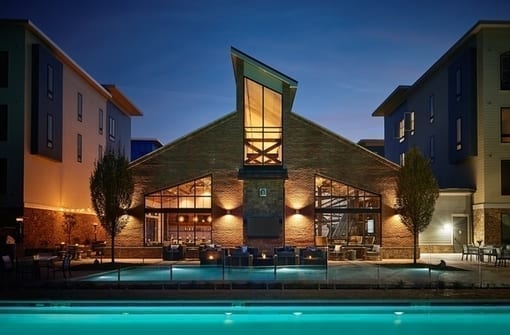
What characterizes the optimal workplace? What kind of workplace attracts and retains hardworking talent? What do smart people need to be maximally productive? Questions like these will be top of mind for commercial designers for the foreseeable future, as competition for top talent continues to rise. Exciting trends like biophilic office design and sustainable furnishings are gaining momentum, since bringing nature into the office has proven psychological benefits. You’ll also start to see more dynamic office spaces that encourage cross-functional team collaboration. Finally, “smart offices” will become more popular, placing technological tools strategically around the office to help employees work smarter.
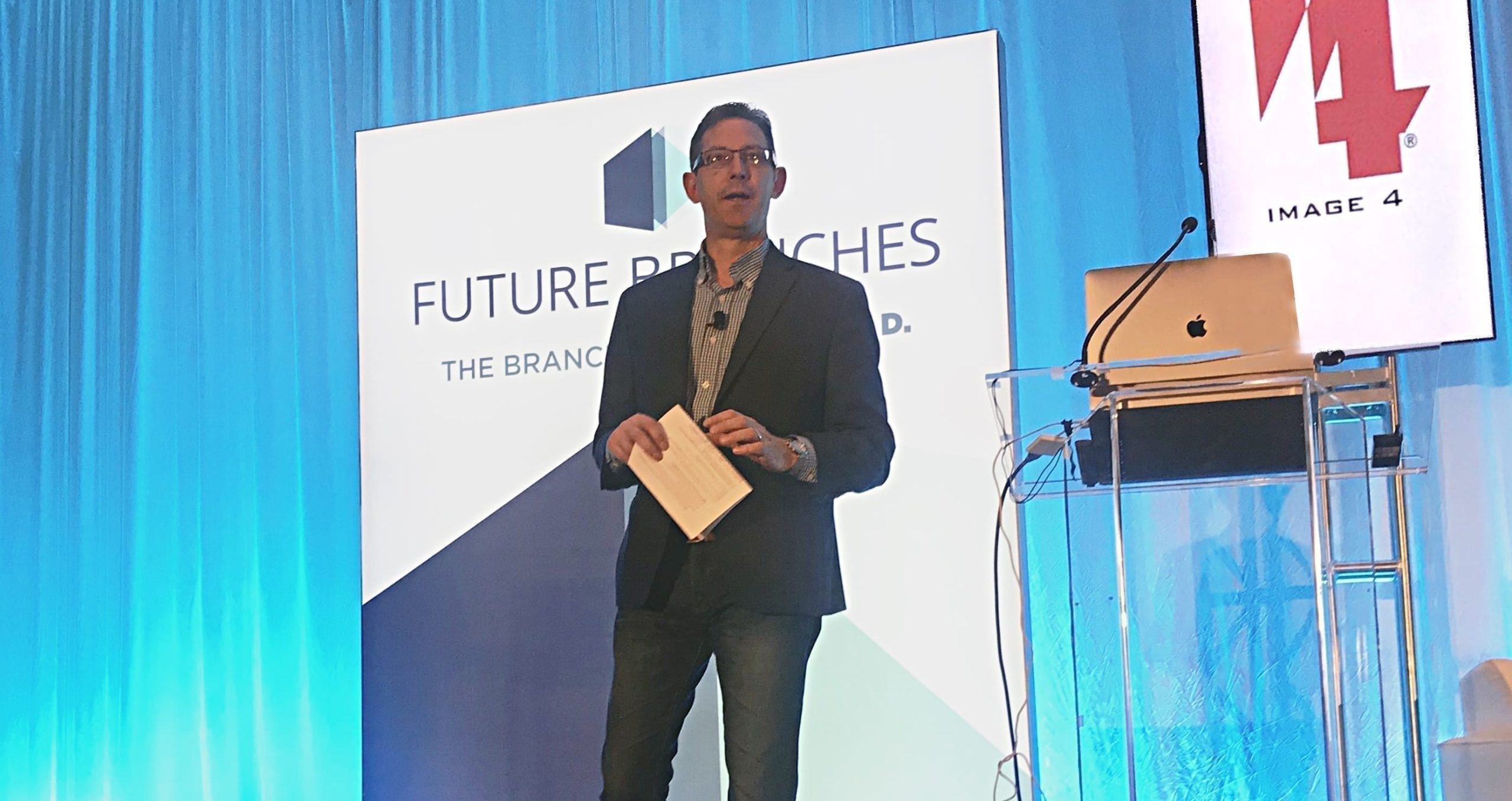
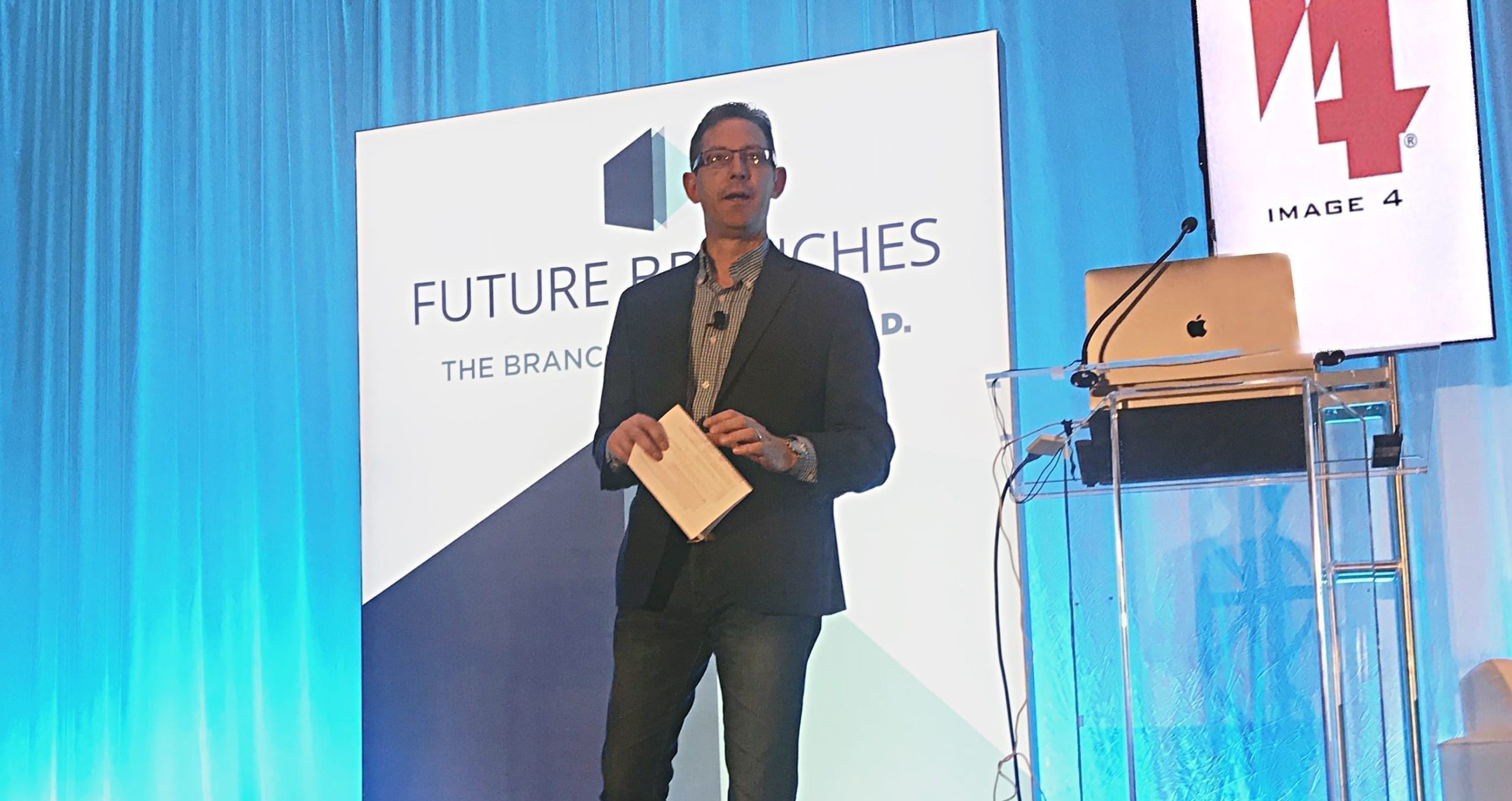
Jeff Baker chairs Future Branches
Events/Exhibits, Financial Services, Retail, Workplace

Go Big or Go Home

alked with more than a few leaders who feel like trade shows are a catch-22. Attending and exhibiting is expensive, and the ROI doesn’t always seem to balance that. At the same time, the FOMO is real. Being absent from a big industry show seems like a risk that’s not worth taking.

How do you escape this catch-22? You need a strategy. Specifically, you need a strategy to make the trade show pay off. It’s easier said than done.

I’ve thought a lot about trade show strategy, and from my perspective, it comes down to how well you execute your booth design. That’s because you could have the best PR team in the world hyping up your booth and driving foot traffic toward it, but your PR team can’t help you if people aren’t drawn to what they see when they get there. Your product is crucial, of course—however, as Peter Thiel observes, the idea that “a great product will sell itself” is a harmful myth. You have a great product, but you need great packaging and presentation, too.

That’s where your booth comes into play—and becomes the star. Your booth is an opportunity to create an immersive 3D experience of your brand. Product demos are wonderful, but it’s even better when people can experience your product surrounded by your brand’s story, vision, and style, while at the same time, engaging with your salespeople.

A really excellent booth makes your brand into a place where people want to spend their time. This amplifies any positive emotions they’re feeling, so they associate those strong, positive feelings with your product.

The only way to accomplish this reliably is to go big.

By “go big,” I mean to make use of exhibits that are 30×30, 40×40 or larger. Assets should be coordinated, so they play off each other and saturate the visitor’s field of view with a stunning, creative concept. This is how you engage customers effectively. It’s also how you can entice the fly-by journalists looking for eye candy to post on their distribution channels (I call that “free promotion”).

Okay, you might be thinking, but what if I don’t have the resources to reserve a big booth?

In my experience, it’s a fatal mistake to outfit a small booth with small assets. Big imagery takes up more space in front of people’s eyes, and it makes your booth harder to forget. So, I argue that for smaller booths, going big is even more important. That’s how you can position yourself to deliver an immersive experience at a trade show.

Curated Content, Legacy, Workplace

Planning Healthcare Interiors Through Journey Mapping

It’s no secret that improving patient experience is on the top of the priority list for most healthcare providers. Journey mapping can be used to gather valuable insight from all user types (patients, visitors, providers, caregivers, staff, etc.), to show how people, space, process, and technology influence journeys to, through, and from a healthcare facility. This article uses a case study to show how emotional journey mapping built rapport and empathy between staff, patients, and families at UPMA and served as a framework for staff/providers to be ambassadors to the voice and needs of patients and their families.

Curated Content, Legacy, Workplace

2019 Top Five Commercial Interior Design Trends

No longer are color palettes, design styles and furnishings at the top of the commercial designer’s checklist. Today, it’s all about sustainability, wellness, community and authenticity. These considerations require architects, commercial interior designers, developers and builders to work together and embrace design-thinking to remain competitive in the future.

Curated Content, Legacy, Workplace

Why Your Brand Needs to Identify a Brand Character – Adweek

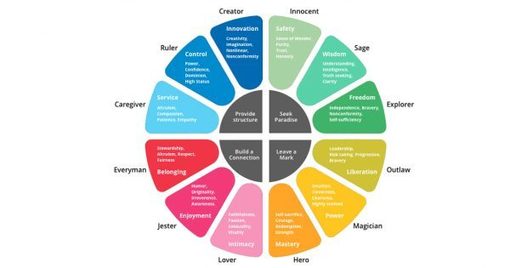
Choosing a character to embody your brand – either an existing, real-life character or one designed by you – not only helps your internal team create more cohesive and true messaging, it can also help customers immediately connect with your brand. Whether or not your company decides to use your character in future marketing campaigns, defining that character will be a valuable learning process and ensure company values are aligned with its actions.

Curated Content, Legacy, Workplace

Open-Plan Work Spaces Lower Productivity And Employee Morale

What seemed like a good idea at the time turned out to have opposite of the intended effect: recent studies have shown that open-space work environments actually reduce productivity and lower employee morale. In fact, they led to fewer face-to-face interactions, less collaboration and lower job satisfaction. Today, companies are moving towards giving employees a greater sense of control over their work environment by giving them more privacy.

Scroll to Top